%2Ffit-in%2F250x250%2Fguide_websites%2F20766%2Fimages%2F1737758452296screenshot2025-01-25042627.png&w=1920&q=100)
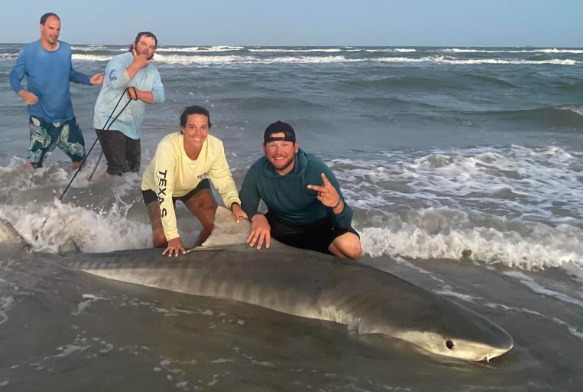
Bull Shark Caught in Port Aransas TX Fishing Trip
Bull Shark Fishing in Port Aransas - What to Expect
%2F%2Fusers%2F1d1cdb99-04ba-478f-9e0a-5d64522a69f7%2Fimages%2Fbull-shark-port-aransas-fishing-2512.jpeg&w=1920&q=75)
Guided Fishing Trip by Guide Jason Jenkins in April
Meet your Guide Jason Jenkins
- Explore Port Aransas fishing with Bowed Up Charter


Summary
Landing a bull shark during a guided fishing trip in Port Aransas on Monday, April 27th proved to be an exceptional moment on the water. This aggressive species delivered exactly what experienced anglers come here to find.
Fishing with Jason Jenkins - Rates & Booking
Guide Jason Jenkins of Bowed Up Fishing Charter was on the water in Port Aransas on Monday, April 27th. This guided fishing trip delivered the kind of action that keeps anglers coming back to the Texas coast. Whether you're targeting bull sharks or exploring other seasonal opportunities, booking a trip with this experienced guide gives you access to proven techniques and local knowledge of Port Aransas waters.
Contact Bowed Up Fishing Charter directly to discuss trip duration, group size, and what gear and licensing are included. Jason tailors each outing to match your experience level and target species.
Highlights of Bull Shark Fishing in Port Aransas
Port Aransas remains one of the premier destinations for bull shark encounters along the Texas coast. These powerful fish test your skills and your equipment. The shallow surf and coastal waters here create ideal conditions for sighting and landing these aggressive predators. Anglers who've connected with bull sharks here describe the experience as intense and memorable - the kind of day that stays with you.
The Gulf waters and bays around Port Aransas support healthy bull shark populations year-round, with particularly strong activity during warmer months. Local guides know the productive zones, depth changes, and tidal patterns that concentrate these fish. A day on the water with Jason means you're fishing where bull sharks are actively feeding.
Local Species Insights: Bull Sharks
Bull sharks are among the most adaptable and aggressive sharks found along the Texas coast. They tolerate freshwater and saltwater environments equally well, which means they venture into bays, estuaries, and even rivers. This makes them unpredictable and exciting to hunt.
In Port Aransas waters, bull sharks range from 4 to 10 feet and can weigh 200-400 pounds. They're stocky, compact sharks built for power rather than speed. Their behavior is assertive - they investigate baits and lures with confidence. They'll strike hard and make explosive runs that challenge your drag settings and line strength.
Bull sharks feed on fish, rays, and smaller sharks. They're most active during dawn and dusk, though they feed throughout the day in productive zones. The shallow surf and coastal drop-offs around Port Aransas concentrate them where anglers can reach them. Spotting one is thrilling - their gray coloring blends with sand and water until they're close, and then their size and presence become unmistakable.
Handling a hooked bull shark requires attention and respect. These fish don't give up easily. The adrenaline of the fight, the weight on the line, and the moment of close contact in shallow water creates an experience that defines serious shark fishing on the Texas coast.
Fishing in Port Aransas: Bull Shark
Bull Shark Overview
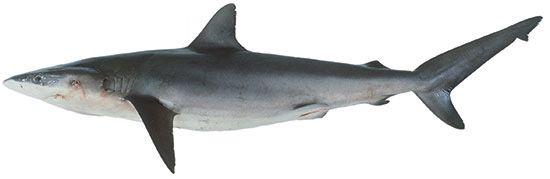
The Bull Shark (Carcharhinus Leucas) is one of the world's most formidable and aggressive shark species, belonging to the family Carcharhinidae and order Carcharhiniformes. These medium-sized predators are instantly recognizable by their thick, stout bodies, short snouts, and distinctive gray-and-white coloration with dark-tipped fins. Bull Sharks are legendary among anglers and marine enthusiasts for their unpredictable temperament and remarkable ability to thrive in both saltwater and freshwater environments—a rare trait that makes them one of the most adaptable sharks on the planet. Whether you're fishing coastal waters in Miami, cruising rivers in Louisiana, or exploring estuaries throughout the world's warm regions, encountering a Bull Shark is an unforgettable experience that combines adrenaline, respect, and genuine fascination with one of nature's most resilient apex predators.
Bull Shark Habitat and Distribution
Bull Sharks are cosmopolitan predators found in coastal waters of all the world's oceans, inhabiting warm, shallow nearshore environments where they reign as top predators. Their geographic range is remarkably extensive, spanning from Massachusetts to Brazil, including the Gulf of Mexico, Caribbean Sea, and the west coast from the southern United States to Peru. What truly sets them apart is their incredible ability to penetrate freshwater systems: they are regularly encountered in the Mississippi River, various coastal rivers, and brackish water zones where saltwater and freshwater mix. During summer months, typically from late June through September, they are frequent visitors to the Chesapeake Bay. These sharks navigate deep streams, lakes, and river systems with the same ease they display in open ocean, making them accessible to anglers in inland waterways that most other shark species cannot tolerate. Their preference for warm waters and shallow depths places them in close proximity to human activity, which explains both their fearsome reputation and their popularity among sport fishermen worldwide.
Bull Shark Size and Weight
Bull Sharks are impressive predators despite being classified as medium-sized sharks. Adults typically reach lengths of 8 to 12 feet (84 to 142 inches), with weights ranging from 200 to 500 pounds depending on age, sex, and nutritional status. Sexual dimorphism is evident in this species: males tend to be lighter and taller, while females are notably shorter and more substantial in build. Newborn pups are remarkably small, measuring just 2 to 3 feet in length at birth after their mother carries them for 10 to 11 months. In optimal conditions, a healthy Bull Shark can live approximately 12 years, though records indicate lifespans of up to 16 years are possible. This relatively compact size compared to great whites or tiger sharks shouldn't fool anyone—their aggressive nature, powerful bite, and stocky musculature make them formidable opponents in the water and highly sought-after catches for experienced anglers seeking a genuine challenge.
Bull Shark Diet and Behavior
Bull Sharks are voracious, opportunistic feeders with a diverse diet that reflects their aggressive hunting strategy and adaptability. They consume fish species including mullet, herring, bream, and other smaller sharks, as well as crustaceans and mollusks. Their behavior is characterized by bold, exploratory feeding patterns and a willingness to investigate unfamiliar objects and prey items, which contributes to their reputation for unpredictability and occasional conflicts with humans in shallow waters. These sharks are cruising predators that actively patrol their territory, often hunting near the surface where they will readily strike topwater lures and flies. Their broad, jagged triangular teeth are perfectly adapted for gripping and tearing prey, and their powerful bite force reflects their position as apex predators in their ecosystem. Bull Sharks exhibit a fascinating behavior unique to their physiology: they are capable of osmoregulation, allowing them to transition between environments with different salinity levels. This metabolic flexibility, combined with their aggressive feeding strategy and preference for shallow water, makes them both dangerous and thrilling for anyone sharing their domain. They are also viviparous, giving birth to live young rather than laying eggs, with females producing litters of up to 13 pups before abandoning them to fend for themselves immediately after birth.
Bull Shark Spawning or Seasonal Activity
Bull Sharks exhibit distinct seasonal patterns that influence their distribution and behavior throughout the year. They are known to breed year-round in tropical waters, but their presence in temperate zones follows predictable seasonal migrations. In regions like the Chesapeake Bay, they are exclusively summer visitors, arriving reliably in late June and departing by September as water temperatures drop. This seasonal movement makes them highly predictable targets for anglers planning trips during peak activity months. Females are viviparous, gestating pups internally for 10 to 11 months before giving birth in shallow nursery areas where young sharks have access to abundant food and reduced predation risk. The timing of births and the availability of juvenile nursery habitat significantly influences population structure and recruitment. Understanding these seasonal patterns is crucial for both conservation efforts and recreational fishing success, as migration routes and congregation areas become temporarily predictable during peak periods. Anglers who study local seasonal patterns can significantly increase their chances of encounters and successful catches throughout the year.
Bull Shark Techniques for Observation or Capture
Float Angling with Natural Bait: Float angling or natural bait techniques are highly productive when targeting Bull Sharks. Recommended baits include whole fish such as mullet, herring, or bream, as well as cut fish like mackerel, bonito, red mullet, and barracuda. For enhanced effectiveness, cut fish can be dipped in tuna oil to amplify scent dispersal in the water column. Fresh or frozen eel is considered the ultimate secret weapon for bait—its high oil content and firm skin make it exceptionally resistant to being picked apart by smaller fish while still effectively attracting these apex predators. Deploy baits in warm, shallow nearshore waters during periods of active feeding, typically early morning or late afternoon when water temperatures are optimal.
Topwater Lure and Fly Fishing: Once Bull Sharks are attracted to the surface through chumming or natural bait presentation, they will readily strike topwater lures including plugs, poppers, and specially designed streamer flies. This technique combines visual excitement with practical effectiveness—watching a Bull Shark's explosive strike at a surface lure creates an unforgettable angling experience. Cloudy days and periods of lower light often produce better topwater action as sharks become more aggressive in reduced visibility conditions.
Chumming Strategy: Bull Sharks respond exceptionally well to chumming, which involves dispersing cut bait or other attractants in the water column to create a scent trail. Deploy chum upstream or updrift of your target area, allowing the current to carry the scent toward feeding sharks. This technique is particularly effective in river systems and estuarine environments where natural current patterns assist in scent dispersal. Around Miami and throughout South Florida coastal waterways, chumming during summer months can produce consistent encounters with multiple sharks in a single session. The combination of abundant baitfish, warm shallow water, and established shark populations makes South Florida an ideal destination for Bull Shark fishing experiences.
Bull Shark Culinary or Utilization Notes
Bull Shark meat is edible and has been consumed in various cultures for generations, though it is generally considered to have average culinary appeal compared to other fish species. The meat can have a slightly gamey or ammonia-like flavor that some find off-putting, particularly in older specimens. If preparation is desired, the meat should be properly cleaned and soaked in saltwater or acidic solutions to reduce any undesirable flavors. From a sustainability perspective, Bull Sharks are currently not considered endangered, though regional populations warrant monitoring due to fishing pressure. For most recreational anglers, the primary value lies in the sporting experience rather than culinary rewards—the challenge, excitement, and bragging rights of successfully landing a Bull Shark typically far outweigh any food utility. Many catch-and-release practitioners simply appreciate the opportunity to engage with such a remarkable predator while contributing valuable data to ongoing shark research initiatives.
Bull Shark Frequently Asked Questions
Q: What is the best bait for catching Bull Sharks?
A: Fresh or frozen eel is considered the ultimate bait choice due to its high oil content and firm skin texture. Whole mullet, herring, and mackerel are also highly effective. Cut fish dipped in tuna oil provides excellent scent dispersal. Float angling with natural bait is more productive than artificial lures alone, though topwater lures and flies work exceptionally well once sharks are attracted to the surface through chumming.
Q: Where can I find Bull Sharks near major coastal cities?
A: Bull Sharks are found worldwide in warm, shallow coastal waters. In the United States, they are abundant throughout South Florida, the Gulf of Mexico, and Caribbean waters. During summer months, they migrate into the Chesapeake Bay, and they regularly inhabit the Mississippi River and other freshwater systems. Estuaries and river mouths where saltwater meets freshwater are particularly productive locations.
Q: Is Bull Shark meat safe to eat?
A: Bull Shark meat is technically edible but has average culinary appeal with a potentially gamey or ammonia-like flavor. Proper cleaning and soaking in saltwater or acidic solutions can improve palatability. However, for most recreational anglers, the sporting experience of catching a Bull Shark is the primary reward rather than food utility.
Q: When is the best time to catch Bull Sharks?
A: Bull Sharks are most active during summer months in temperate zones, arriving in the Chesapeake Bay from late June through September. In tropical and subtropical regions, they are present year-round. Early morning and late afternoon typically provide peak feeding periods. Water temperature, lunar cycles, and seasonal migration patterns all influence activity levels and catchability.
Q: How aggressive are Bull Sharks, and should I be concerned about safety?
A: Bull Sharks are known for their aggressive nature and bold feeding strategy, making them potentially dangerous in shallow waters where human activity occurs. However, unprovoked attacks are rare. Exercise appropriate caution in known Bull Shark habitat, avoid swimming in murky water or at dawn/dusk when visibility is reduced, and never attempt to handle or provoke a shark. For fishing activities, sharks are typically focused on prey rather than people when abundant baitfish are present.
Q: How do Bull Sharks survive in both saltwater and freshwater environments?
A: Bull Sharks possess a unique physiological adaptation featuring a less active rectal gland than other shark species. When excess salt accumulates in their body, the rectal gland excretes it. Their liver also produces ureas that allow them to adapt to changes in salinity. This remarkable osmoregulatory system enables them to thrive in freshwater rivers and lakes where most other sharks cannot survive, making them one of nature's most adaptable predators.