%2Ffit-in%2F250x250%2Fguide_websites%2F20766%2Fimages%2F1737758452296screenshot2025-01-25042627.png&w=1920&q=100)
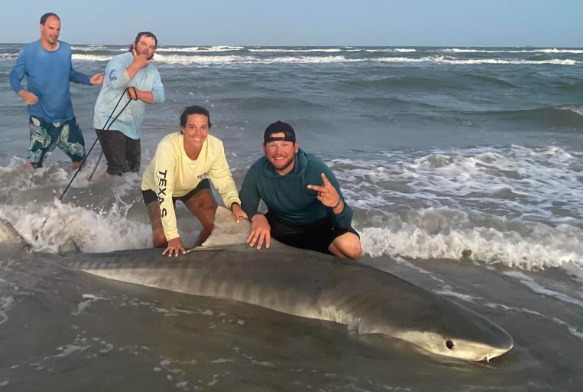
Blacktip Shark Caught in Port Aransas TX Shallow Water
Blacktip Sharks in Port Aransas - What to Expect
%2F%2Fusers%2F1d1cdb99-04ba-478f-9e0a-5d64522a69f7%2Fimages%2Fport-aransas-blacktip-shark-fishing-2498.jpeg&w=1920&q=75)
Guided Fishing Trip by Guide Jason Jenkins in April
Meet your Guide Jason Jenkins
- Explore Port Aransas fishing with Bowed Up Charter


Summary
Guided fishing trip on Monday, April 27 in Port Aransas showcases the exciting reality of shallow water shark encounters. This guided fishing trip delivers hands-on experience targeting blacktip sharks in productive Texas coastal waters, combining technique with local knowledge.
Fishing with Guide Jason Jenkins - Rates & Booking
Guide Jason Jenkins of Bowed Up Fishing Charter led this guided fishing trip on Monday, April 27 in Port Aransas, targeting one of Texas's most exciting inshore species. Blacktip sharks provide fast-action fishing in shallow bays and flats where these predators hunt seasonally. To book your own guided fishing experience or learn current rates and availability with Bowed Up Fishing Charter, contact Jason Jenkins directly for customized trip details tailored to your skill level and objectives.
Highlights of Inshore Shark Fishing
Blacktip sharks in Port Aransas shallow waters deliver an adrenaline-fueled experience that tests both angler skills and equipment. These aggressive feeders respond to live or cut bait presentations and strike with explosive power, making them ideal for anglers seeking dynamic action. The shallow water environment around Port Aransas creates visibility and accessible fishing grounds where you can sight-cast or work structure effectively.
What makes this fishery special is the combination of reliable shark populations with tactical shallow water presentations. The bay systems near Port Aransas host consistent blacktip activity during spring and summer months, giving guides like Jason Jenkins predictable conditions for productive fishing days.
Blacktip Shark Behavior and Habitat
Blacktip sharks thrive in the warm, shallow bays surrounding Port Aransas, where they hunt mullet, mackerel, and other forage fish. These sharks are recognizable by their dark gray coloring and distinctive black-tipped fins, making them visually exciting to encounter. They typically hunt in depths from 1 to 20 feet, preferring channels, drop-offs, and areas with current flow where baitfish congregate.
Understanding blacktip behavior improves success significantly. These sharks are opportunistic feeders that respond aggressively to distressed bait presentations and chumming strategies. They hunt actively during tide changes when water movement triggers feeding responses. Unlike many shark species, blacktips are relatively fast swimmers that pursue prey actively rather than scavenging along the bottom. Their presence in shallow water makes them accessible to anglers using conventional tackle and live bait techniques.
The spring season brings peak activity as water temperatures rise and sharks move into shallow feeding grounds after winter. Port Aransas's bay system provides ideal nursery habitat where young and adult blacktips concentrate, creating consistent catch opportunities throughout the season. Guides like Jason Jenkins leverage seasonal patterns and tidal movements to position anglers where encounters happen regularly.
Why Port Aransas Excels for Inshore Shark Fishing
Port Aransas sits along the Texas coast at a geographic sweet spot where multiple bays, channels, and flats create diverse shark habitat. The Corpus Christi Bay system connects shallow bays with deeper channels, allowing sharks to move between feeding and resting areas predictably. This geography means experienced guides can locate sharks throughout most tidal cycles rather than relying on narrow fishing windows.
The shallow water environment around Port Aransas offers tactical advantages. Clear visibility in certain conditions allows sight-casting opportunities, while murky water conditions trigger feeding responses in sharks relying on sensory detection. Tide-driven currents funnel baitfish into ambush zones where blacktips wait, concentrating fish into predictable locations guides know intimately.
Local knowledge makes the difference between casual fishing and productive action. Guides like Jason Jenkins understand which flats produce, which channels concentrate sharks, and how seasonal changes affect fish distribution. This expertise translates into more encounters, more bites, and better success rates than typical visiting anglers experience on their own.